Black People Have Spoken. Now It’s Time to Govern With Us.
Guidance for Newly Elected Leaders to Govern With Black Communities Utilizing Early Black Census Project Findings
A Mandate for Black Futures
Black voters were an undeniable force carrying a Blue wave for Democrats across the country during the 2026 midterms. By educating, motivating, and activating Black voters, Black to the Future Action Fund and our sister organization Black Futures Lab are building lasting power to ensure our government works fairly and consistently for everyone.
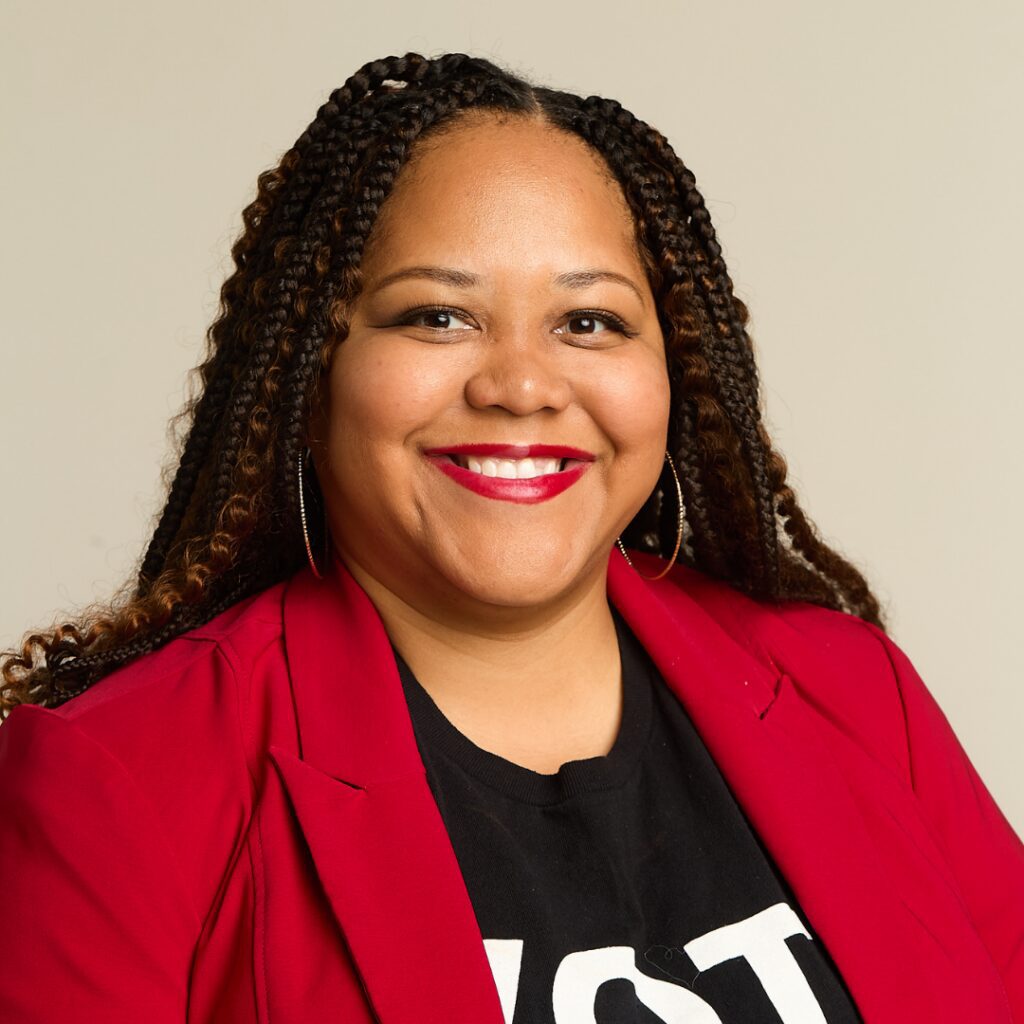
Kristin Powell, Executive Director of Black to the Future Action Fund
“Black people across the country voted for historic change, and now it’s time for systemic policy change.”
“Across generations of US history, building and passing down Black wealth has been illegal, systematically obstructed, or deliberately undermined. That’s how we know that in a government that works for Black people, everyone will thrive. To do that, we’re making clear what we expect from those in power.”
In the midterm election, we built relationships with Black voters in the South through their Black to the Ballot program. Across Georgia and North Carolina they heard overwhelming reports of economic precarity due to utility rate increases and stagnant wages. In Georgia, energy rates increased six times in three years – $600 annually, forcing many Black tenants to live without relief from cold and heat to be able to afford their rent. In Rocky Mount, North Carolina, where electricity provided by the city costs more than surrounding areas, a family of three lost service due to an unpaid bill, and perished after using an indoor generator to power their home. With both states maintaining the federal minimum wage of $7.25, rural residents also reported limited access to higher-paying employment.
Drawing from our seminal 2023 Black Economic Agenda which has 20,000 endorsements, and recent data from 12,000 respondents of the 2026 Black Census Project, we compiled the highest priorities leaders should begin tackling, with direction on how to approach them:
Bring Costs Down
- Lower utility rates
- Make healthcare universal
- Raise the minimum wage
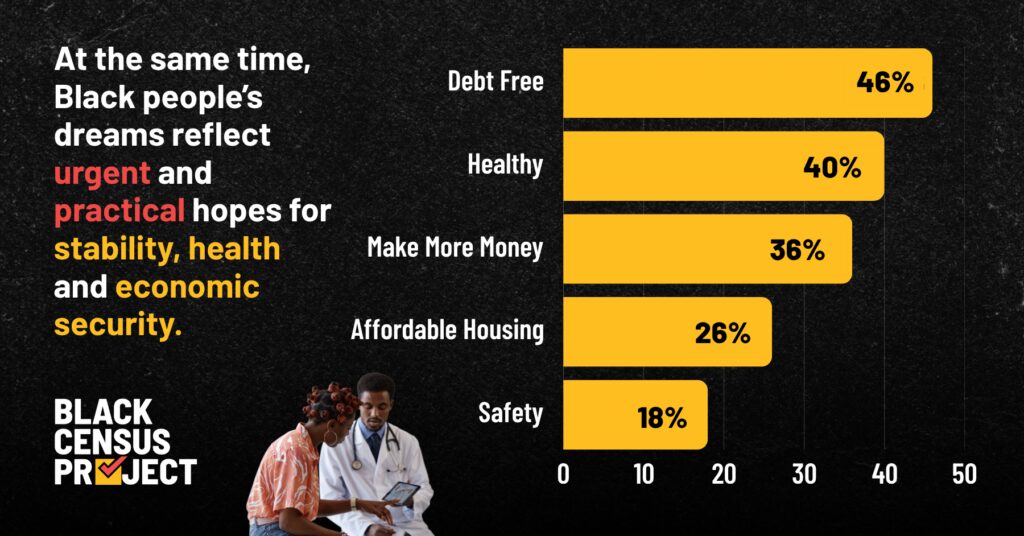
Make Our Votes Count
- Abolish the Electoral College
- Get rid of gerrymandering
- Make voting guaranteed under the Constitution
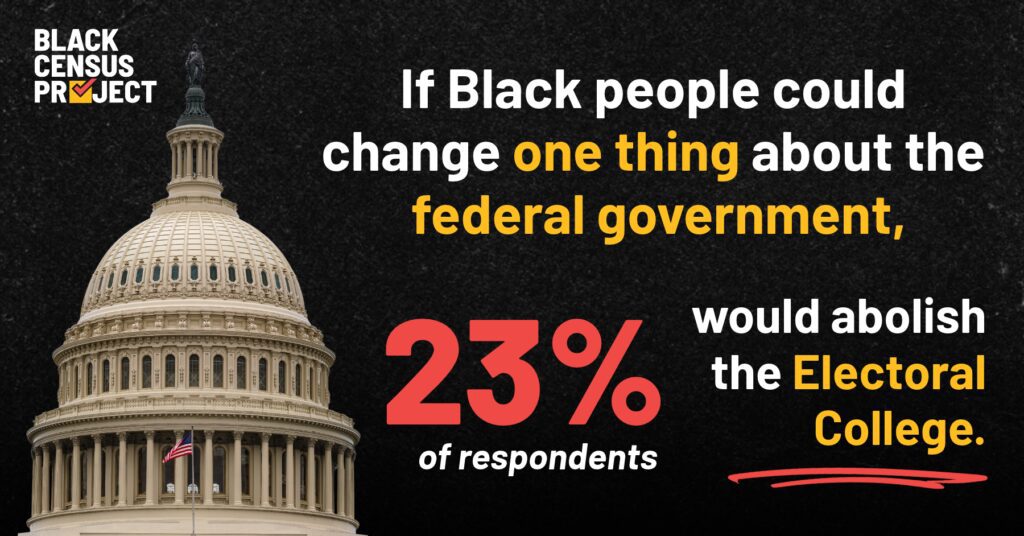
Top Dreams from the 2026 Black Census Project &
Corresponding Policies from the Black Economic Agenda
Becoming Debt-Free
- Eliminate student loan debt
- Make two-year community colleges free
- Create baby bond programs
- Pilot and expand guaranteed basic income program
Improving Physical Health
- Expand health coverage to residents of states that have not expanded Medicaid under the Affordable Care Act
- Provide subsidies for health insurance
Living in Safe and Affordable Housing
- Widen homeownership options
- Develop shared equity programs
- Incorporate timely rent payments in credit score
- Preserve and increase affordable housing
- Change zoning laws
- Strengthen rent regulations
- Fund affordable housing trust funds
- Establish protections for tenants
Earning More Money
- Raise Minimum Wage
- Pass domestic workers bill of rights
- Expand rights for workers to organize
- Actions to enforce workplace standards
- Expand paid family and medical leave laws
Owning A Home
- Widen homeownership options
- Develop shared equity programs
- Incorporate timely rent payments in credit score
- Preserve and increase affordable housing
- Change zoning laws
- Strengthen rent regulations
- Fund affordable housing trust funds
- Establish protections for tenants
According to historian Robin D.G. Kelley, transformative movements are forged through collective imagination. “Black radical imagination,” Kelley writes, is not wishful thinking detached from material struggle. It is born against catastrophe, shaped by the lived realities of violence and dispossession, but oriented toward visions of freedom grounded in care, cooperation, and self-determination. When we asked Black Census takers to imagine a better, fairer future, they dream of becoming debt free, owning a home, earning more money, obtaining a higher education degree, and improving their mental health.
As policymakers, advocates, and organizers look toward 2027, the Black Census Project will remain open, and must be part of the conversation about what comes next. Black voters are making their priorities clear.